Menu
Close



Menu
Close

Product Strategy, Branding, Visual
Design, Marketing Assets
Raised before MVP launch
Raised in Series A within 9 months
Team growth including ex Meta, Google, Take-Two, Electronic Arts, Microsoft, Tencent and Voodoo



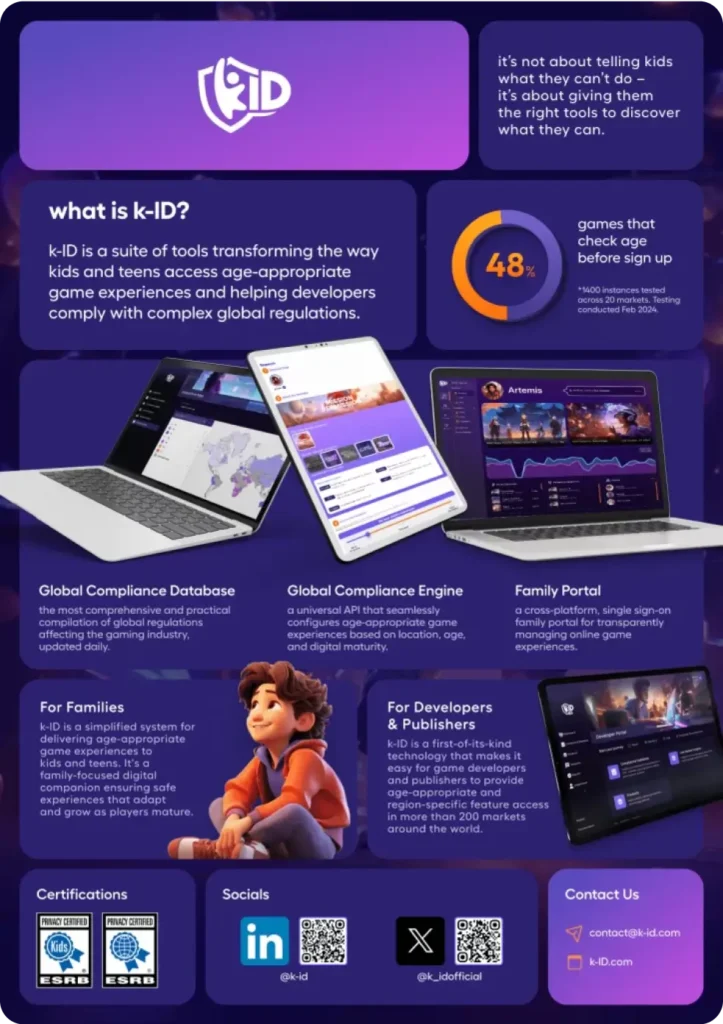
One of the biggest challenges in developing k-ID was striking the right balance between the needs of parents, developers, and regulatory bodies. The goal was to create a seamless onboarding experience that would be both secure and user-friendly. We needed to navigate the concerns of worried parents, developers seeking legal compliance while retaining users, and regulators focused on child safety.
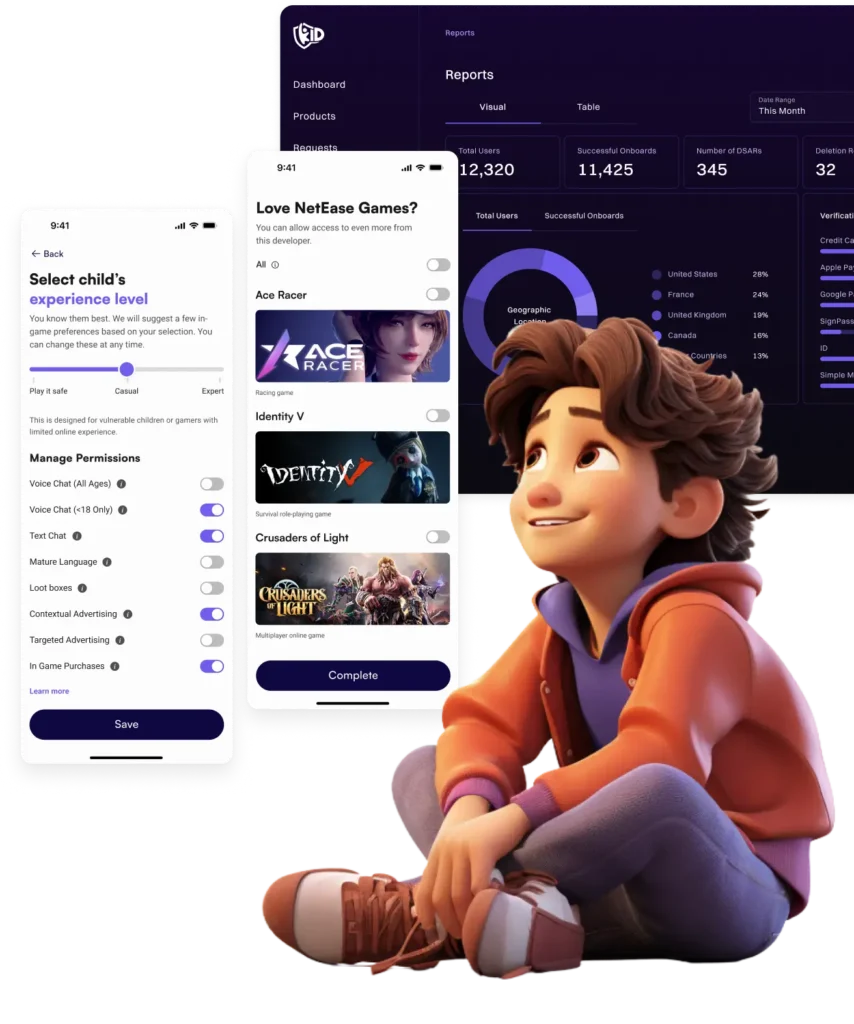
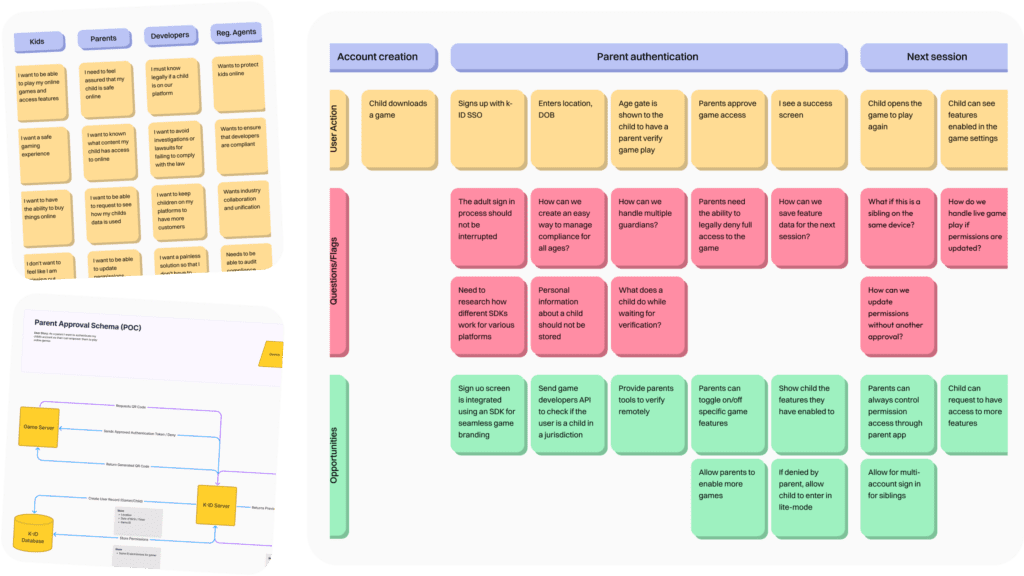
To achieve this, we focused on the entire user journey, particularly how parents would verify their children’s access to online games. We developed technical models that allowed for direct parent verification, ensuring that once authenticated, children could enjoy their games without interruption. This process involved creating secure records that captured essential information like birth dates and locations to manage legal permissions. The system was designed to handle 50,000 verifications per minute, targeting an ambitious 100 million monthly users.
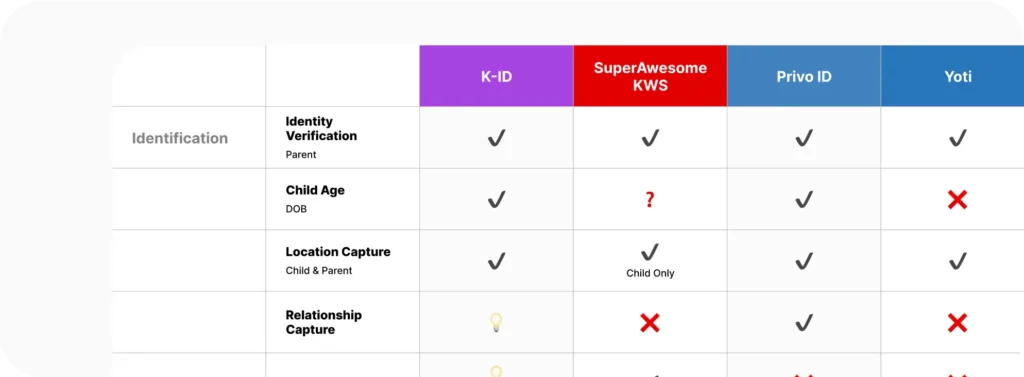
Understanding the competitive landscape was crucial in defining k-ID’s differentiation and strategic approach. We conducted a detailed competitor analysis to benchmark features and identify opportunities for innovation. This research phase revealed potential new features and areas for improvement, which we prioritized for the Minimum Viable Product (MVP) and Proof of Concept (POC).
A comprehensive Product Requirement Document (PRD) was developed, including detailed user stories and descriptions of various touchpoints within the k-ID ecosystem. This living document served as the foundation for a high-level roadmap, ensuring we met project deadlines and were prepared to showcase the POC at a Global Summit Conference. This showcase provided invaluable feedback from regulatory agents and game developers, helping refine the product further.
During the POC phase, we demonstrated how k-ID allows children to access games seamlessly while giving parents control over permissions through a dedicated application. The positive reception from regulatory agents and developers highlighted the ease of use and security of our solution. Feedback from this phase also identified potential features, such as a developer portal and a compliance portal, which we planned to explore further.
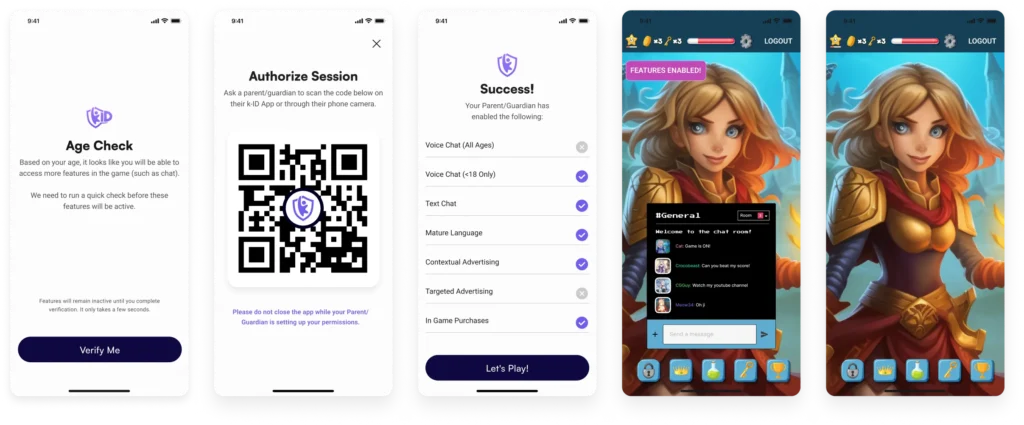
We meticulously mapped out the interconnected data flow between the various products within the k-ID ecosystem, ensuring a smooth and efficient user experience. This process involved cataloging steps that encompassed real-life actions, system processes, and connections, all visualized through detailed site maps and content models. The comprehensive roadmap we developed was essential for identifying dependencies and ensuring that all features worked together seamlessly.
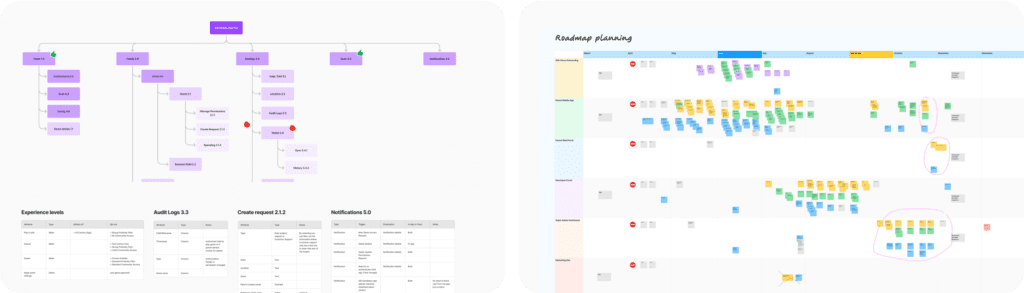
Our focus during the low fidelity sprint was on content, structure, and user experience. We created low-fidelity designs that prioritized these elements, laying a strong foundation for the final product. This phase was critical for ensuring that the basic framework of our solution met the user needs and provided a clear path for further development and refinement.
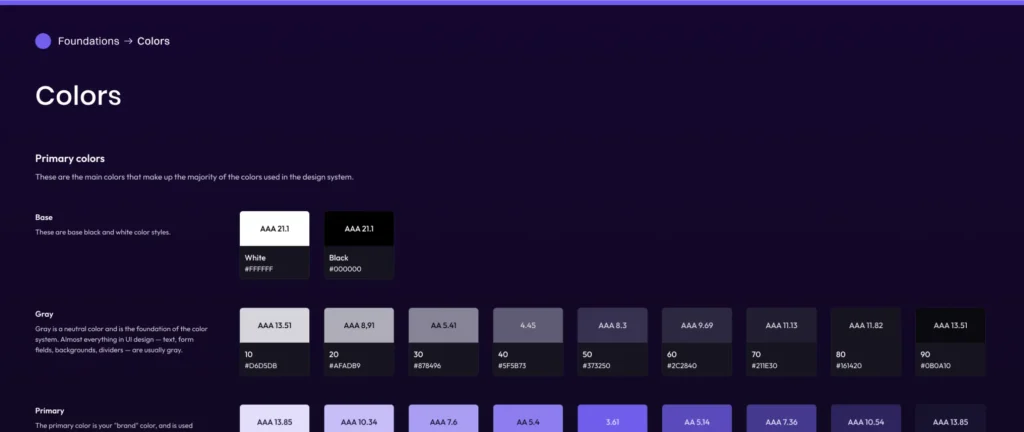
We developed a robust design system with reusable and consistent components to ensure high quality and fidelity across the platform. This involved creating pixel-perfect wireframes for all products, experiences, and views, complete with annotated logic for each screen. The design system ensured that all elements of the platform were cohesive and maintained a high standard of usability and aesthetics.
As the launch approached, we supported k-ID with pitch materials for potential partners, resulting in significant interest from major industry players. Our efforts culminated in partnerships with companies like Roblox, Google, and Netflix. The solution was also presented at prestigious forums such as the World Economic Forum, leading to a $51 million investment from top firms within nine months of the MVP launch.
This substantial funding validated the innovative approach we took with k-ID, positioning the product for future success and ensuring that children around the world can safely enjoy their favorite games online.